


B2B SaaS marketing in 2026 looks different from three years ago. CAC is rising. Buyers research independently for longer before talking to sales. The window to establish authority in a niche is narrowing as more companies publish content to the same channels.
These are the fourteen trends shaping B2B SaaS marketing in 2026, with what they mean in practice and how other SaaS companies are already applying them.
Contents
1. AI and automation in SaaS marketing
AI has moved past the hype cycle and into the daily workflow. The B2B SaaS companies getting real returns are not the ones who added a chatbot to their homepage.
For example, we use AI for all our clients to create transcripts, produce short videos, create social media posts, edit articles, analyze intent signals, and determine the right Total Addressable Market (TAM).
Other applications of AI in SaaS marketing include:
Predictive customer insights via AI
Instead of reacting to customer actions, AI lets you predict them. Tools like N8N and Clay, combined with intent signal data, can indicate when a prospect is approaching a purchase decision based on their previous interactions. You run the campaign before they raise their hand, not after.
AI for hyper-personalized content creation
Instead of generic automated messages, AI can tailor content to specific behavioral patterns. You can adjust the tone and style of content to individual customer needs and update it in real time as the market or customer situation changes. That means a prospect receives content that matches where they are right now, not a generic message scheduled six weeks ago.
AI search optimization
AI is also changing search behavior. People query ChatGPT and Perplexity the same way they used to query Google. SaaS companies showing up in those results write content that answers questions directly: short, specific, without the SEO filler that LLMs tend to ignore.
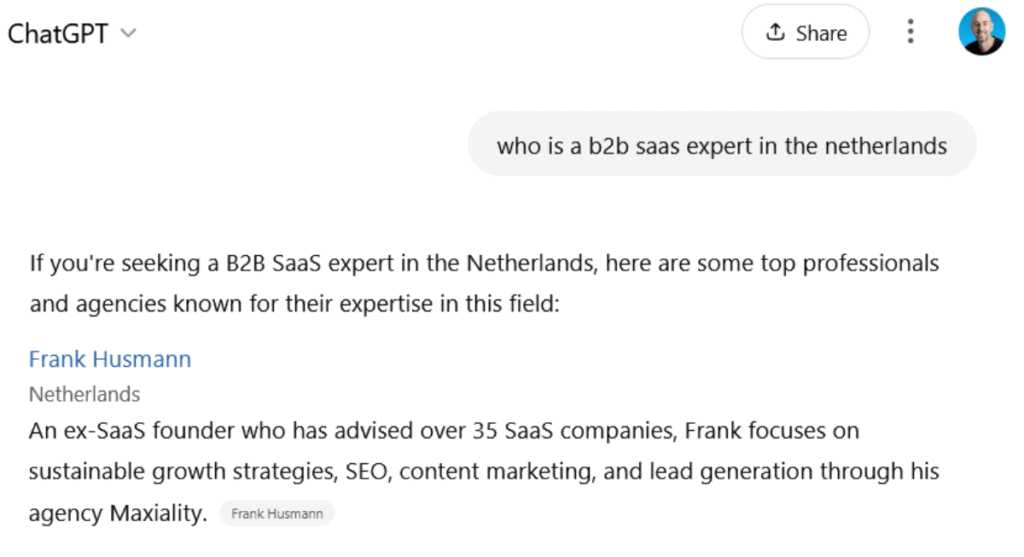
Above is an example of ChatGPT when you ask: “Who is a B2B SaaS expert in the Netherlands?”😊.
Want to know how you can do this yourself? Tips on LLM optimization can be found in my article GEO for SaaS.
2. Customer success and retention over acquisition
New customer acquisition gets the attention. Retention is where the money actually compounds.
According to ProfitWell, a 5% improvement in retention can increase profit by up to 95%. With CAC continuing to rise, the math increasingly favors expansion revenue over acquisition.
From marketing to customer success
Marketing teams now work closely with customer success. Intercom uses marketing automation not only for lead nurturing, but also for existing customers, with targeted tips, product updates, and success stories. Think of:
- Automatic onboarding series
- Usage-based content (“did you know you can do this with feature X?”)
- Segmentation based on product usage
Practical example
Notion uses personalized in-app messages to activate users. Not using a feature yet? Then you get a friendly tip. Deep into the product? Then you get pro tips or suggestions for team use.
The mindset shift that matters: you are not closing a sale, you are starting a monthly relationship. Every renewal is a re-purchase decision.
3. Creating Zero-Click Content
Zero-click content content delivers the full value in the post itself. No link. No download. No “read more.” A LinkedIn post, carousel, or tweet that teaches something useful in 30 seconds is zero-click content.
Why this works
People scroll on mobile. If the value is behind a click, 80% of your audience never sees it. The content that earns the swipe, save, or share gives the answer upfront.
Great examples
Gong regularly posts LinkedIn updates with immediately usable sales tips, without links or downloads. Yet everyone remembers and shares them, and then goes to see what Gong actually does.
Databox shares graphs and benchmarks directly on Twitter/X and LinkedIn without a white paper or report, just the figures in your feed.
Zero-click content is difficult to track with UTM links or CTRs. The metric that matters is whether your ICP starts associating your name with a specific problem. That takes longer to show up in a dashboard but it is what shortens sales cycles.
4. Video as a source of SaaS marketing
Video builds trust faster than text, puts your product in action, and gives your brand a face. In B2B SaaS, where much is abstract or technical, video makes it concrete.
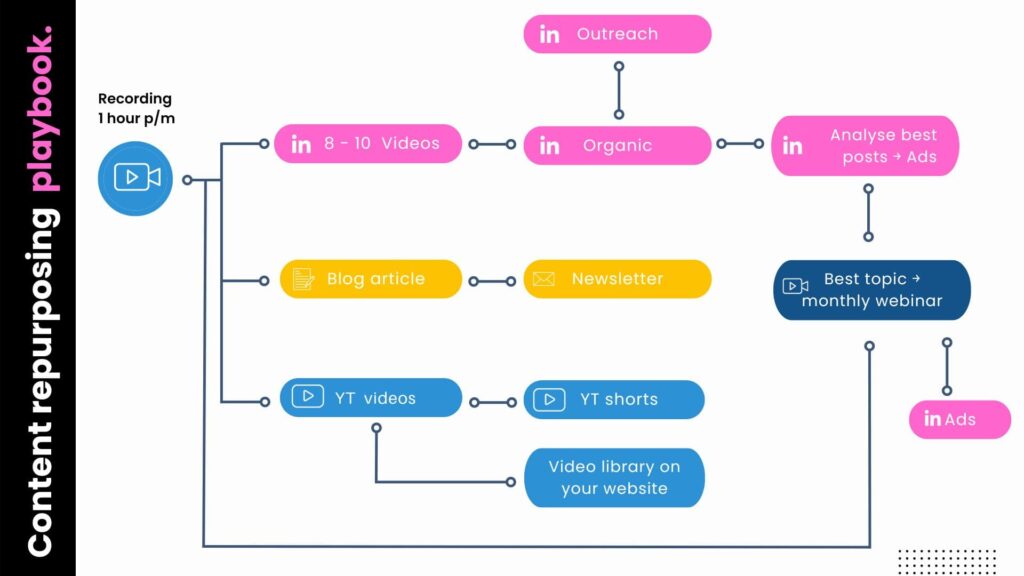
Video is personal, shows emotion, lets you show your interface in action, and people remember 95% of what they see in a video versus 10% of what they read. In addition, with one video recording of a subject matter expert (or the founder), you can create content for a month. We do this for our B2B SaaS clients with the Authority Accelerator program.
Effective video formats
- Product walkthroughs
- Short-form video content for LinkedIn
- Customer success stories
- Behind the scenes: a glimpse into your team or working methods
- Founder updates

Monday.com makes short, colorful videos that show how their tool fits into everyday work. And Ahrefs’ YouTube channel shares relevant knowledge for SEO specialists without pushing a sales pitch.
Bonus: video as a content multiplier
One good video immediately gives you:
- A YouTube video
- Snippets for LinkedIn or YouTube shorts
- Audio for a podcast clip
- Quotes for visuals
- A transcript for a blog
Read our article about B2B video marketing.
5. Founder-led marketing
SaaS companies with a founder who shows their face win. In a feed full of corporate accounts, a personal voice stands out.
In founder-led marketing, the founder is both the product expert and the public voice of the company on LinkedIn, in podcasts, newsletters, or video. No polished marketing language, just their own words and stories.
Successful examples
Guillaume Cabane, former VP Growth at Drift and Segment, openly shares his knowledge: growth hacks, learnings, and mistakes.
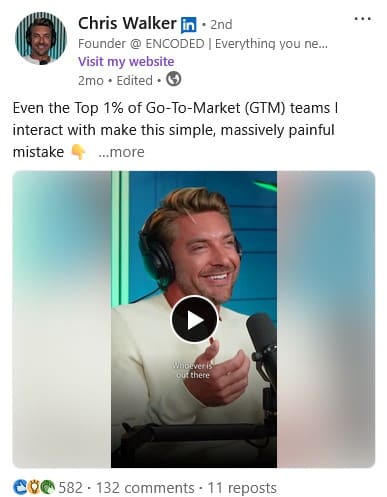
Chris Walker of Encoded and Refine Labs communicates via podcasts, videos, blogs, and social channels about demand generation and dark social. His name comes up almost immediately when you start researching demand generation.
The founder of Revue (before it was acquired by Twitter/X) built a loyal following by sharing product developments almost live.
Why this works
A founder sharing why they are building something, what they believe in, and what they are unsure about earns more trust than a brand page running scheduled posts. Algorithms consistently favor personal content over company accounts. Posts from founders outperform corporate updates.
Tips to get started
- Start on one channel that suits you (LinkedIn is often good for B2B)
- Share regular short updates about what you are learning or building
- Use your own tone – not the one from your brand guide
- Allow imperfection: no scripts or stock photos
6. User-Generated Content (UGC)
Your customers are already talking about your product. UGC is the system that captures that and puts it to work.
According to Nielsen, 92% of people trust recommendations from other users more than brand advertising. That gap between peer recommendations and company content is what makes UGC worth building into your marketing system.
Practical examples
Notion is the king of this: users create templates, tutorials, and even courses. They have a community gallery full of user-generated content.
Zapier shows how customers combine their tool with other apps via blogs, videos, or tweets from customers themselves.
Figma is a textbook example of UGC-driven growth: designers create plugins, share files, and help each other.
How to encourage UGC
- Give customers a platform (retweets, “Wall of Love” on your site)
- Organize small challenges (“Show us how you use our tool”)
- Make sure you build a visible and recognizable brand (not so easy, of course, but necessary)
UGC is not just promotion but also feedback—you sometimes discover uses you never thought of yourself.
7. SaaS Influencer Marketing
B2B influencer marketing does not mean hiring someone with a large following to post a photo. It means identifying niche experts your buyers already trust and getting your product in front of their audience.
Who are B2B influencers?
They are often not superstars but people with deep knowledge and an engaged niche following:
- SaaS analysts who test tools
- Developers who share what they work with
- Marketing strategists with growth tips
- Creators with newsletters or podcasts
Wes Bush from ProductLed built a community around product-led growth and collaborates with relevant SaaS tools.
Filipa Canelas has over 55,000 followers on LinkedIn and posted the following about the SEO tool Semrush:
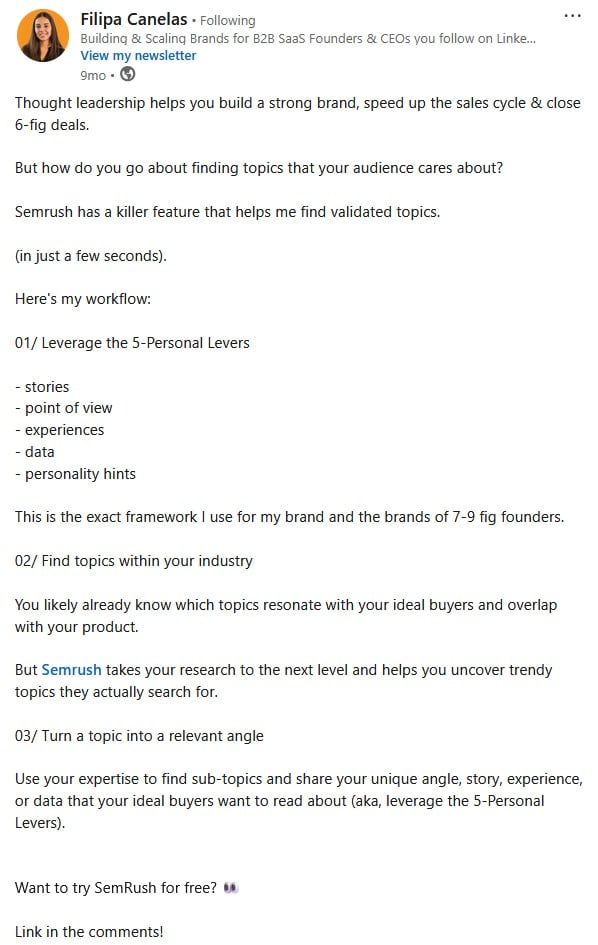
The great thing is that you can also use these posts in your LinkedIn advertising campaigns via LinkedIn Thought Leader Ads (with the influencer’s permission, of course).
Benefits
- Quick trust: followers trust the expert
- High-quality leads: you reach exactly your target audience
- More brand awareness within niche communities
You don’t have to go big; 5 small creators often work better than 1 large channel.
How do you get started with B2B SaaS influencer marketing?
- Search LinkedIn, Twitter, or Slack communities for people with engagement. Or use a platform like Passionfroot.
- Focus on micro-influencers with real followers in your niche
- Collaborate on value: a tutorial or product review
- Keep it personal and transparent, no advertising
8. Account-Based Marketing (ABM)
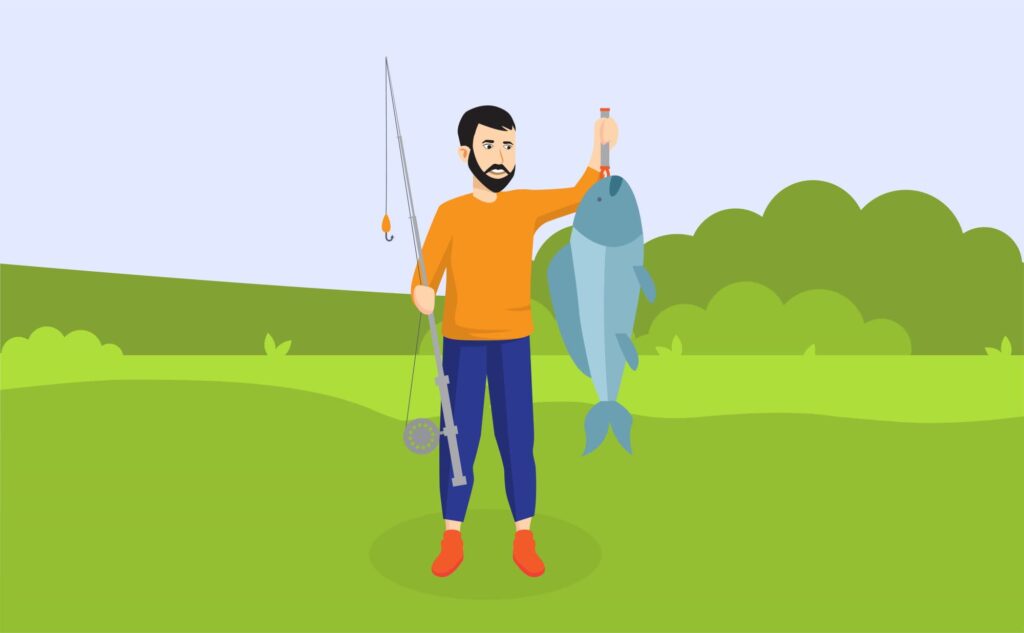
ABM is like fishing with a rod (or a spear if you’re going old school) 😊 instead of a net. You choose which companies you want to attract and build targeted marketing around them with customized content, personalized ads, and tailored nurture flows.
ABM example in practice
One method I often use is to conduct market research among a maximum of 20 prospects. The idea is to approach people who fit your ideal customer profile and ask them if they would like to participate. You then create a trend report and offer it to them in a personalized format.
Who does this well?
- Terminus uses its own ABM platform to approach accounts with intent data, IP targeting, and email flows.
- Adobe creates complete microsites for each account and sends personalized event invitations.
- Lemlist sends personalized cold emails after thorough research—guerrilla-style ABM.
What do you need for ABM?
- List of customers within your ideal customer profile (ICP)
- Good data (Clay, Apollo, LinkedIn Sales Navigator)
- Personalized content
- Collaboration between marketing and sales
According to ITSMA, 87% of companies say that ABM exceeds their ROI compared to other forms of marketing.
9. Niche Marketing and Vertical SaaS
In 2026, you’re likely to score by thinking smaller. B2B SaaS marketing is shifting toward hyper-niche strategies that serve one specific target audience better than anyone else.
What is vertical SaaS?
Vertical SaaS builds software for one specific industry:
- CRM for dentists
- Accounting software for wedding planners
- Marketing automation for gyms
With niche marketing, you go all-in on that target audience. You know their language, challenges, and workflows.
Why this works
People prefer to work with specialists rather than generalists. The more you sound like you really understand them, the more likely they are to think, “This is for me.”
Benefits: less competition, lower CAC, and stronger positioning.
Practical examples of vertical SaaS
- Clio is a platform specifically for law firms. Everything is tailored to lawyers, and they are the market leader in their vertical.
- Jobber focuses on small service companies such as plumbers and cleaning services with targeted content.
- Shopmonkey is SaaS for auto repair shops that simplifies paperwork, scheduling, and billing.
By focusing, you become more recognizable, which leads to loyalty and growth as a community.
Also read: Vertical SaaS vs. Horizontal SaaS, the main differences explained including examples.
10. Podcasting and audio content
More and more people are working “hands-free,” making podcasting a powerful marketing channel. It allows you to literally get into someone’s ears.
Advantages of podcasting
Podcasts are personal and intimate. Listeners are more receptive because they listen to them while traveling, exercising, or cooking. The attention span is often longer than with video or text.
Podcasts build community; listeners feel connected to hosts and conversations. An even more important advantage is that you can invite prospects or potential partners and build a relationship.
What are the benefits?
- Authority and thought leadership by discussing relevant topics
- Better engagement from loyal listeners
- Stronger brand recognition with a consistent tone and style
SaaS podcast examples
Drift’s “The Growth Show” features conversations with growth experts about sales and product innovation.Gainsight’s podcast on customer success interviews customers and experts about best practices.
- Zapier’s “The Workflow” shares productivity tips and discusses SaaS tools, including their own product.
How do you get started?
- Decide on your focus: customer stories or industry insights
- Be consistent: choose a feasible publication frequency
- Interview guests: involve customers or experts from your industry
- Promote with snippets and quotes on social media
The great thing is that you can use a video podcast as a source for all your content. You can read how to do this in our article on podcast repurposing.
11. Small personal events
Large trade shows optimize for volume. Small events optimize for relationship quality. For most B2B SaaS companies, the second one produces better pipeline.
According to Bizzabo, 89% of marketers say that events help build customer relationships, which is easier to do in a small setting.
Effective event formats
- Roundtables: select group of ideal customers discussing challenges
- VIP dinners: informal conversations that lead to personal relationships
- Workshops: hands-on sessions on product use
- Coffee breaks: one-on-one conversations that have more impact than large events
Who does this well?
HubSpot organizes exclusive Inbound Connect meetings for engaged customers.
AirTable brings power users together to go deeper into their product and exchange best practices.
Small events give you direct access to how customers use and think about your product. The conversations you have in a three-hour roundtable will not happen in a webinar.
We’ve also noticed that many of our clients are successfully focusing on small, live events.
12. Multilingual SaaS sites
If your SaaS product is not available in your customers’ language, you are missing opportunities for international growth.
72% of consumers prefer to buy in their own language, and this applies equally to companies evaluating software. A localized experience signals that you understand how they do business, not just where they are located.
AI has made localization more practical. Many of our clients use DeepL for automatic translations in their CMS, reviewed later by native speakers.
What does this mean for your SaaS?
- Localize marketing: tailor content to the culture and customs of your target market
- Improve SEO: targeting keywords in multiple languages improves visibility
- Regional customer service: helping customers in their own language improves conversion
Examples of multilingual SaaS sites
- Shopify has its website in more than 20 languages, which helps with international growth.
- Intercom offers support in multiple languages, making European customers feel at home.
- Mailchimp tailors product offers based on regional preferences.
How to get started
- Start with important pages: product, pricing, FAQs, and customer stories
- Use local keywords, not just literal translations
- Start with AI translations and then work with native speakers for higher-quality translations
- Test and optimize performance per country
13. Signal-Based Marketing
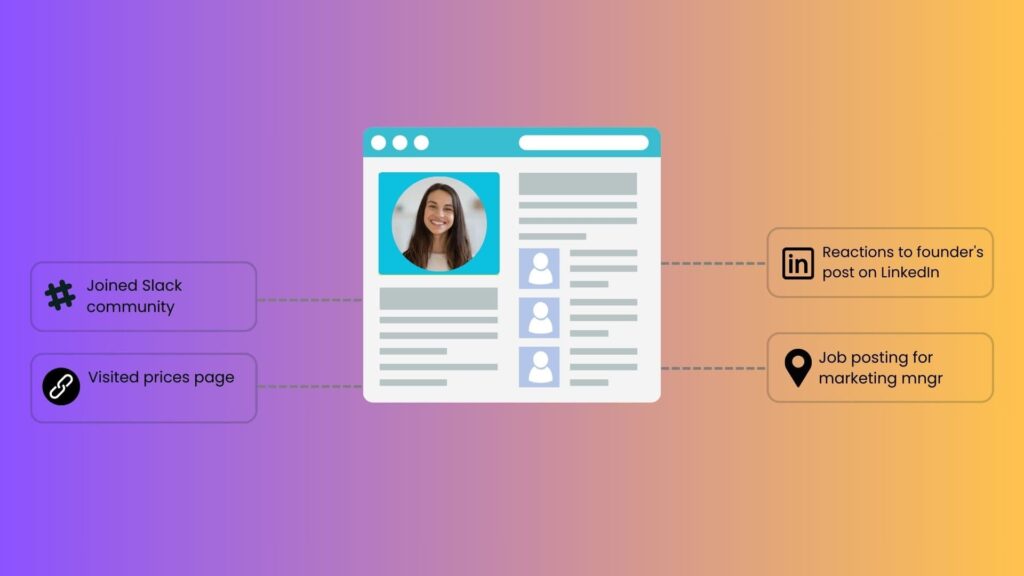
Signal-based marketing is about responding to concrete signals from the market or from specific prospects: someone who visits your website three times in a week, a company that just hired a new sales manager, a prospect who started engaging with your LinkedIn content. These are not coincidences. They are moments of active change.
Why it works
You reach people when they are in a change cycle. They are exploring, growing, or restructuring something internally. A relevant message at that moment is not cold outreach. It is the right answer at the right time. Response rates go up. Sales cycles get shorter.
What are the benefits?
Insight into your TAM. More focus. Less waste. Sales and marketing align on who to approach, when, and with what message. Conversion rates improve, sales cycles shorten, and your outreach reads as informed rather than random.
How to get started
First, determine which signals indicate purchase intent or change in your ideal customer. Job openings? New technology? Website visits? Make a list of these. Then collect these signals using tools such as Leadinfo, LinkedIn, Clay, or Phantombuster. Next, link actions to those signals.
Read our article Signal-based marketing for B2B SaaS companies.
14. Free tools: valuable tastings
Why it works
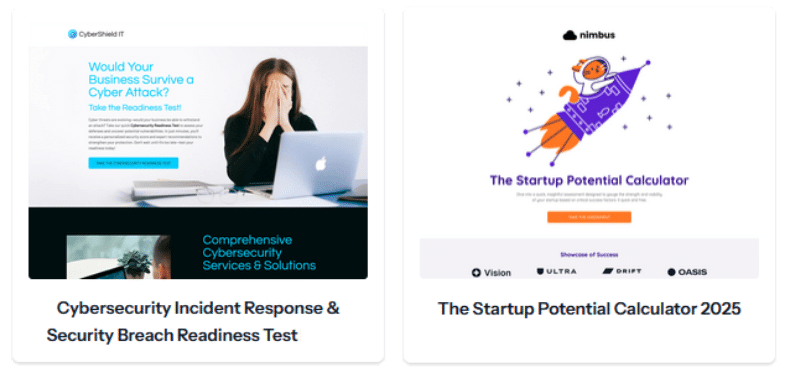
Free tools help potential customers solve a small problem while experiencing the value of your SaaS product. They bridge the gap between curiosity and actual adoption, building trust before anyone commits.
What are the benefits?
We created a simple audit tool to identify gaps in prospects’ workflows and it immediately generated high-quality leads. Later, we organized a strategy workshop for a client where teams could see how to tackle their challenges (with or without the SaaS). This directly resulted in several new customers, because prospects had experienced the value for themselves.
How to get started
- Identify a small, concrete problem that your SaaS helps solve.
- Build a lightweight tool or workshop that offers immediate insight or results. ScoreApp is ideal for quickscans or small audits.
- Use the interaction to qualify leads and guide prospects to the full product.
By using free tools or workshops, you give users a taste of real results, which significantly increases the likelihood of adoption and purchase.
Conclusion
These fourteen trends point in the same direction: buyers are more independent, buying decisions take longer, and generic marketing reaches fewer of the right people.
Whether you focus on AI, UGC, or vertical SaaS, the question is not which trends to adopt but which ones are most relevant to your specific buyers and how your product fits their decision process.
Pick the ones where the signal fits your ICP. Build a system around those. The rest is noise.